
 Bow Legs & Knock Knees
 Cerebral Palsy
  Children’s Fracture
 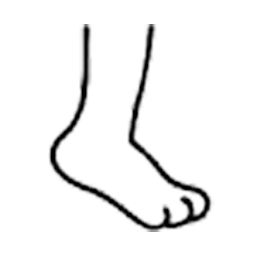 Club Foot
  Congenital Hip Dislocation
  Flat Feet
  In-toeing Gait
  Infection Of Joints
  Neglected Fracture
  Orthopedic Screening Of New Born
  Perthes Disease
  Radial Club Hand
 .png) Scfe
Scfe  Trigger Thumb
  Miscellaneous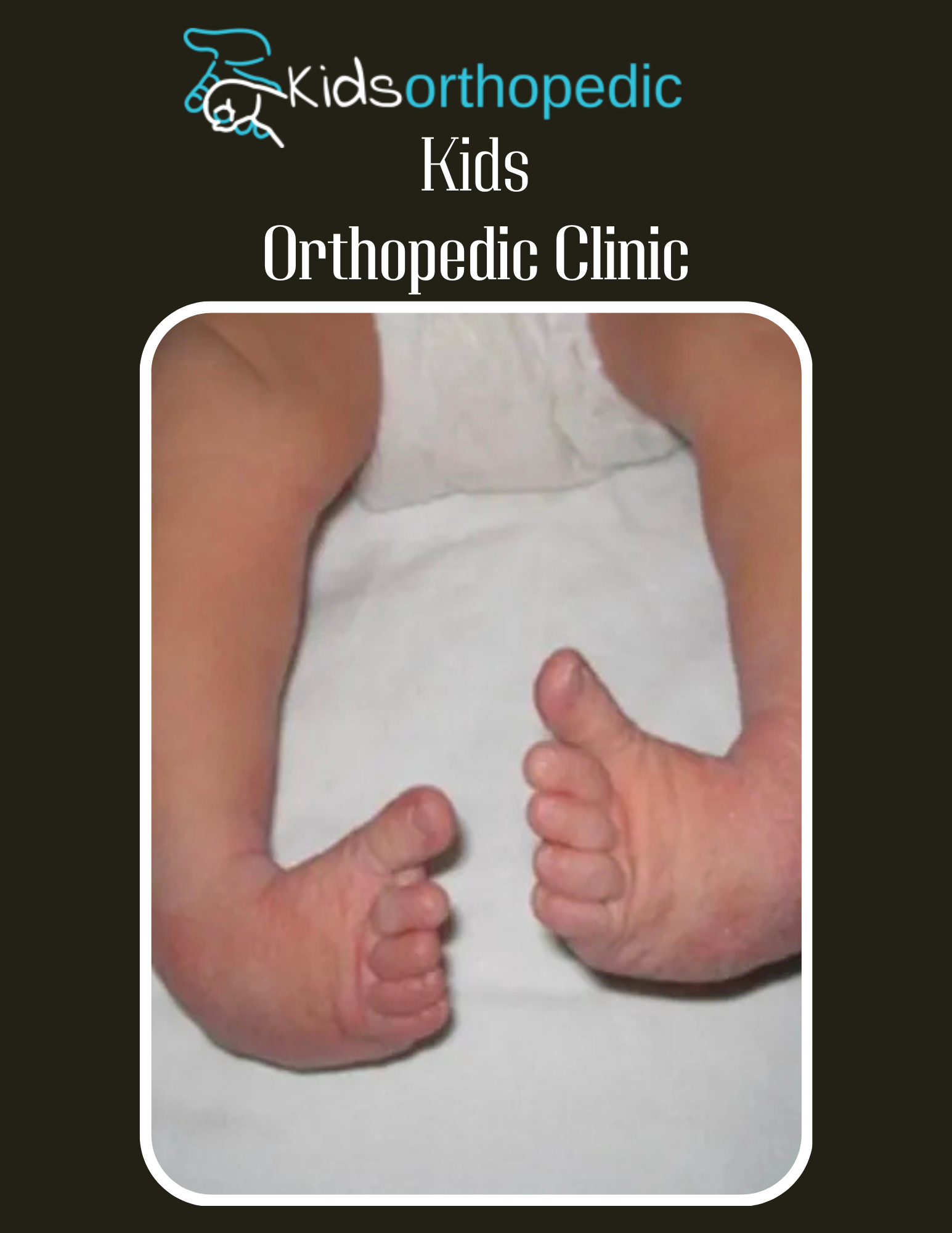
When parents learn during pregnancy that their baby may have clubfoot, it can cause fear, confusion, and anxiety. Many families worry about their child’s future mobility and quality of life. Unfortunately, due to misinformation, some people even consider abortion as an option after a prenatal diagnosis of clubfoot.
However, modern pediatric orthopedics clearly shows that clubfoot is a highly treatable condition, and most children can grow up walking, running, and living completely normal lives after proper treatment. This is why specialists strongly emphasize an important message: “No abortion in clubfoot.”
At https://kidsorthopedic.com/, pediatric orthopedic experts focus on early diagnosis and advanced treatment methods that help children with clubfoot achieve normal foot function and mobility.
What is Clubfoot?
Clubfoot, medically known as Congenital Talipes Equinovarus (CTEV), is a congenital condition where a baby’s foot is twisted inward and downward at birth.
The deformity typically involves four components:
-
Foot pointing downward (equinus)
-
Heel turning inward (varus)
-
High arch of the foot (cavus)
-
Forefoot turning inward (adduction)
Clubfoot can affect one or both feet and occurs in approximately 1 in every 1,000 births worldwide.
Although the foot appears abnormal at birth, the bones are still soft and flexible, which allows effective correction with early treatment.
Why Some Parents Consider Abortion After Clubfoot Diagnosis
With the advancement of prenatal ultrasound, clubfoot can often be detected during pregnancy, sometimes as early as the second trimester.
When parents first hear the diagnosis, they may worry about:
-
Lifelong disability
-
Multiple surgeries
-
Difficulty walking
-
Social stigma
Due to these concerns and lack of proper information, some families may mistakenly think that clubfoot will permanently disable their child.
However, medical evidence strongly proves that clubfoot is one of the most successfully treatable orthopedic conditions in children.
Clubfoot is Highly Treatable
The standard treatment for clubfoot today is the Ponseti Method, a non-surgical technique developed by Dr. Ignacio Ponseti.
This method gradually corrects the deformity using:
-
Gentle manipulation of the foot
-
Weekly plaster casting
-
A small procedure called Achilles tenotomy (in some cases)
-
Use of braces to maintain correction
The Ponseti method has an extremely high success rate.
Studies show that more than 90% of clubfoot cases can be corrected successfully when treated early.
This means most children with clubfoot can walk normally without major surgery.
Early Treatment Makes a Big Difference
Doctors usually recommend starting treatment within the first few weeks after birth.
During treatment:
-
The baby’s foot is gently repositioned each week.
-
A new cast is applied to gradually correct the deformity.
-
After several casts, the foot reaches a normal position.
Research shows that many children achieve correction after about 5–8 casts, followed by bracing to maintain the result.
Early treatment significantly improves outcomes and prevents long-term complications.
Life After Clubfoot Treatment
One of the biggest misconceptions about clubfoot is that children will have difficulty walking or participating in sports.
In reality, most children treated with the Ponseti method:
-
Walk normally
-
Run and play sports
-
Wear normal shoes
-
Live active lives
Many adults treated for clubfoot in infancy lead completely normal lives with no physical limitations.
Why “No Abortion in Clubfoot” is an Important Message
Medical specialists emphasize that clubfoot is a correctable deformity, not a life-limiting condition.
There are several reasons why abortion should not be considered solely because of clubfoot:
1. High Treatment Success Rate
Modern treatment methods correct the deformity in the vast majority of cases.
2. Non-Surgical Management
Most cases can be treated with casting and bracing rather than major surgery.
3. Normal Future Life
Children treated early usually grow up with normal mobility.
4. Early Intervention Works
Starting treatment soon after birth provides excellent outcomes.
For these reasons, pediatric orthopedic doctors encourage education, awareness, and early treatment instead of fear.
Role of Pediatric Orthopedic Specialists
A pediatric orthopedic specialist plays a crucial role in managing clubfoot.
They help by:
-
Diagnosing the condition accurately
-
Planning early treatment
-
Monitoring correction progress
-
Preventing relapse
-
Guiding parents through the treatment journey
Specialized clinics focus on child-friendly treatment methods designed specifically for growing bones.
Importance of Parental Awareness
Parents play an essential role in successful clubfoot treatment.
Important responsibilities include:
-
Attending regular casting appointments
-
Ensuring proper brace use after correction
-
Following doctor instructions carefully
Brace compliance is particularly important because it prevents relapse and maintains long-term correction.
Expert Pediatric Orthopedic Care
At Kids Orthopedic Clinic, pediatric orthopedic specialists focus on advanced care for childhood orthopedic conditions, including clubfoot.
Services include:
-
Early diagnosis of congenital deformities
-
Ponseti method clubfoot treatment
-
Pediatric orthopedic evaluation
-
Guidance and counseling for parents
The goal is to help every child achieve healthy growth, mobility, and independence.
Conclusion
Clubfoot may appear concerning when diagnosed during pregnancy or at birth, but it is one of the most treatable congenital orthopedic conditions. Modern techniques such as the Ponseti method have a success rate of over 90%, allowing children to grow up with normal walking ability and active lifestyles.
Because of these excellent outcomes, medical experts strongly emphasize the message “No Abortion in Clubfoot.”
With early diagnosis, proper treatment, and parental support, children born with clubfoot can lead completely normal and healthy lives.
For expert pediatric orthopedic consultation and clubfoot treatment, visit:
https://kidsorthopedic.com/